
Introduction
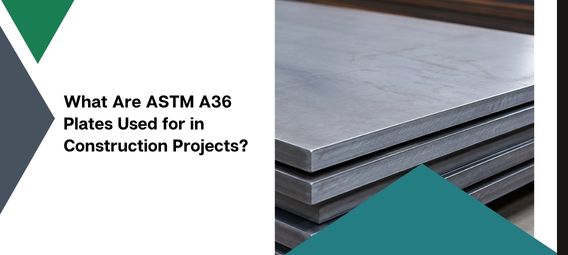
ASTM A36 Plates are one of the most commonly specified carbon structural steel grades in the construction industry, and for good reason. The grade combines solid strength with good weldability, machinability, and formability, a mix that’s hard to find in a single low-carbon steel product. That balance is exactly why A36 shows up across so many structural and fabrication applications, from load-bearing frames to smaller connection components. This article guides through where High Quality ASTM A36 Plates actually get used across real construction projects, and projects and what that means for buyers specifying the grade.
Why Are ASTM A36 Plates Suitable for Construction?
A36 earns its place in construction work through a combination of properties that fabricators genuinely rely on. The material provides a practical combination of strength, weldability, machinability, and formability without relying on a highly alloyed composition. Fabricators can cut, drill, form, and weld A36 plate using established fabrication practices, subject to the applicable welding procedure and project requirements. Machinability allows the plate to be cut and drilled during manufacture, and formability allows the plate to be moulded into brackets, plates, and structural components without cracking. These properties together provide A36 a good chance for many structural applications where extreme conditions are not a key factor.
Common Uses of ASTM A36 Plates in Construction
Structural Frames and Building Components
A36 plate turns into structural members, base plates, connection components, and fabricated steel assemblies across building projects of every scale. Its combination of strength and weldability makes it a natural fit for the load-bearing framework that holds a structure together, from the primary frame down to smaller connection hardware.
Bridges and Infrastructure
Bridge components, support structures, structural plates, and general infrastructure fabrication all draw on A36 where the applicable engineering specifications are met. Its strength and fabrication flexibility suit the structural demands bridge and infrastructure projects place on plate steel, particularly in components that need to be fabricated off-site and assembled on location.
Columns, Beams, and Structural Supports
Fabricators shape A36 plate into structural components and reinforcement assemblies that support columns, beams, and other load-bearing elements. The grade’s consistent mechanical properties keep these components performing predictably under sustained structural load.
Base Plates and Bearing Plates
Base and bearing plates distribute load between columns, supports, foundations, and other structural interfaces, spreading concentrated force across a wider bearing surface. A36’s strength and dimensional consistency make it a reliable choice for this load-distribution role.
Platforms, Walkways, and Industrial Structures
Steel platforms, access structures, equipment supports, stairs, and fabricated industrial frameworks all commonly specify A36 plate. Its formability and weldability suit the custom fabrication these structures typically require, from stair stringers to equipment mounting frames built around specific site dimensions.
Construction Equipment and Temporary Structures
Fabricated supports, formwork-related structures, brackets, and temporary steel assemblies draw on A36 where the required design criteria are satisfied. Its cost-effectiveness and ease of fabrication suit temporary structures that need to be built, used, and disassembled without excessive material cost.
Benefits of Using ASTM A36 Plates in Construction Projects
ASTM A36 plates are the quintessential structural workhorse for construction. They provide a very practical blend of strength and workable qualities that make it an easy default requirement for engineers.
- Reliable Structural Strength: Providing consistent, predictable load-bearing capacity for different building designs and large infrastructural frameworks.
- Shop Fabrication Streamlined: Providing easy weldability and great machinability to make your cutting, drilling and assembly times entirely predictable.
- Custom Forming without Cracking: Allows easy bending and reshaping without the considerable risk of material cracking in complex structural fabrications.
- Easy sourcing: over a wide range of standard thicknesses. No long lead times, keeping project schedules flowing. Instant Market Availability.
- Cost Efficiency: Provides significant performance advantages without the premium price and supply issues frequently associated with speciality alloy grades.
What Should Buyers Consider When Selecting ASTM A36 Plates?
- Required plate thickness and dimensions for the application
- Applicable structural design code and engineering specification
- Fabrication requirements, including welding, cutting, and forming
- Surface finish and any protective coating requirements
- Load and stress conditions the component will face in service
- Material certification and mill test documentation
Conclusion
ASTM A36 Plates continue to be preferred choice in construction and structural manufacturing because they combine strength, weldability, machinability and formability into one reliable and economical grade. From structural frames to foundation plates and temporary construction supports A36 has a truly wide variety of uses without the need for a speciality alloy or premium price tag ASTM A36 Plates are available in the sizes and dimensions construction projects need. Champak Steel is ready to match the proper plate for your project’s structural requirements.