How Are TISCRAL Plates Used in Cement Plant Equipment?

TISCRAL Plates

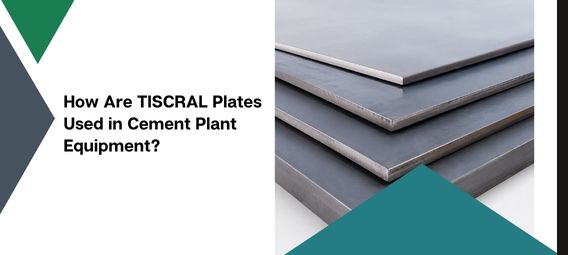
Introduction TISCRAL plates protect heavy cement plant equipment from intense sliding abrasion, severe material impact, and continuous friction. That kind of punishment wears down standard structural steel fast, which is exactly why TISCRAL Plates exist as wear-resistant steel plates built to protect critical equipment and extend service life well beyond what conventional steel could manage. … Read more

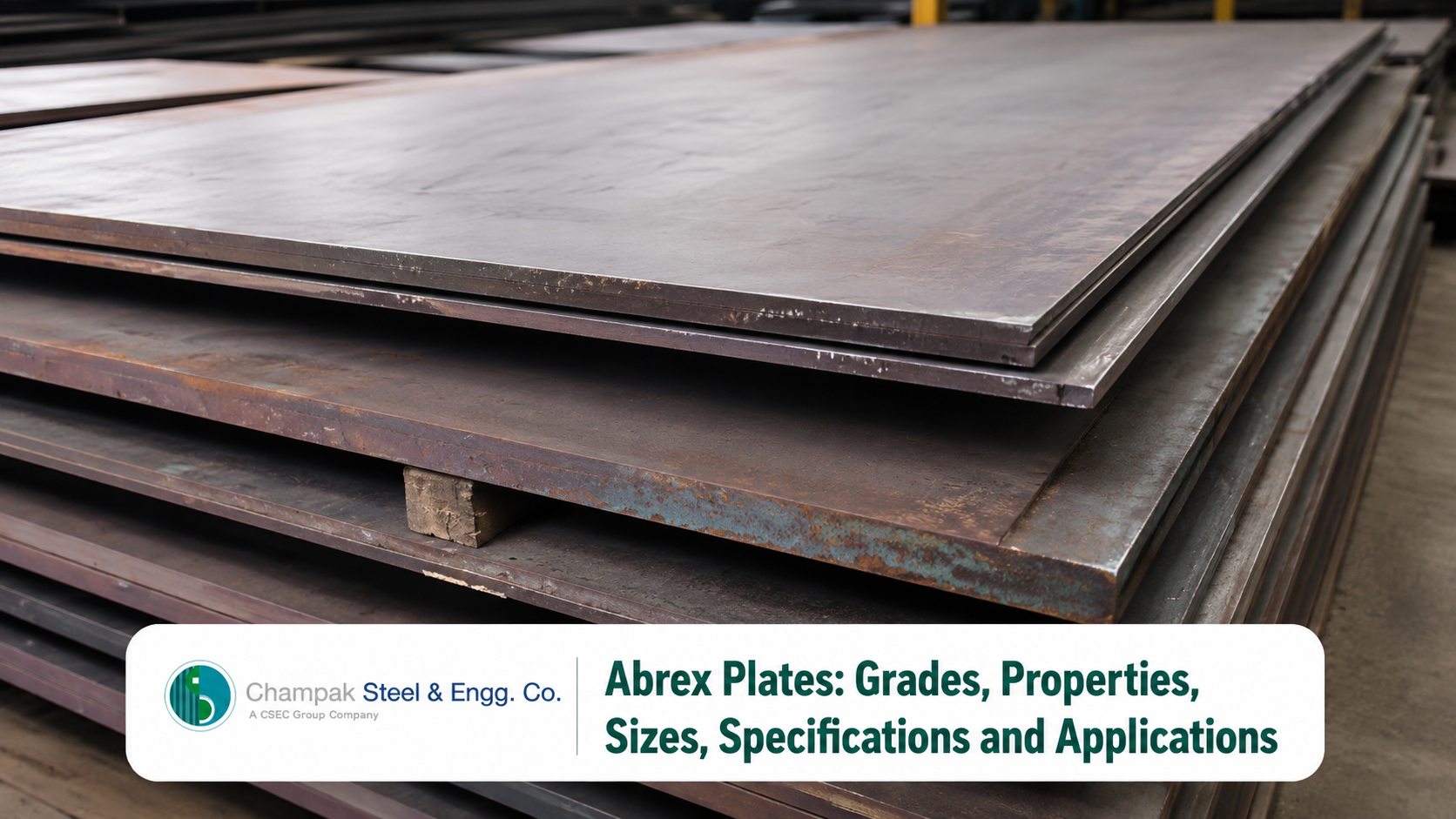
Abrex Plates: Grades, Properties, Sizes, Specifications and Applications

Abrex steel plates stacked

Heavy equipment used in crushing, screening, and bulk material transfer deteriorates quickly when its contact surfaces are made from ordinary structural steel. Abrex plates resist that constant friction so you don’t have to replace them as often. A plate that is hard but brittle cracks under impact, so toughness must be built in along with … Read more

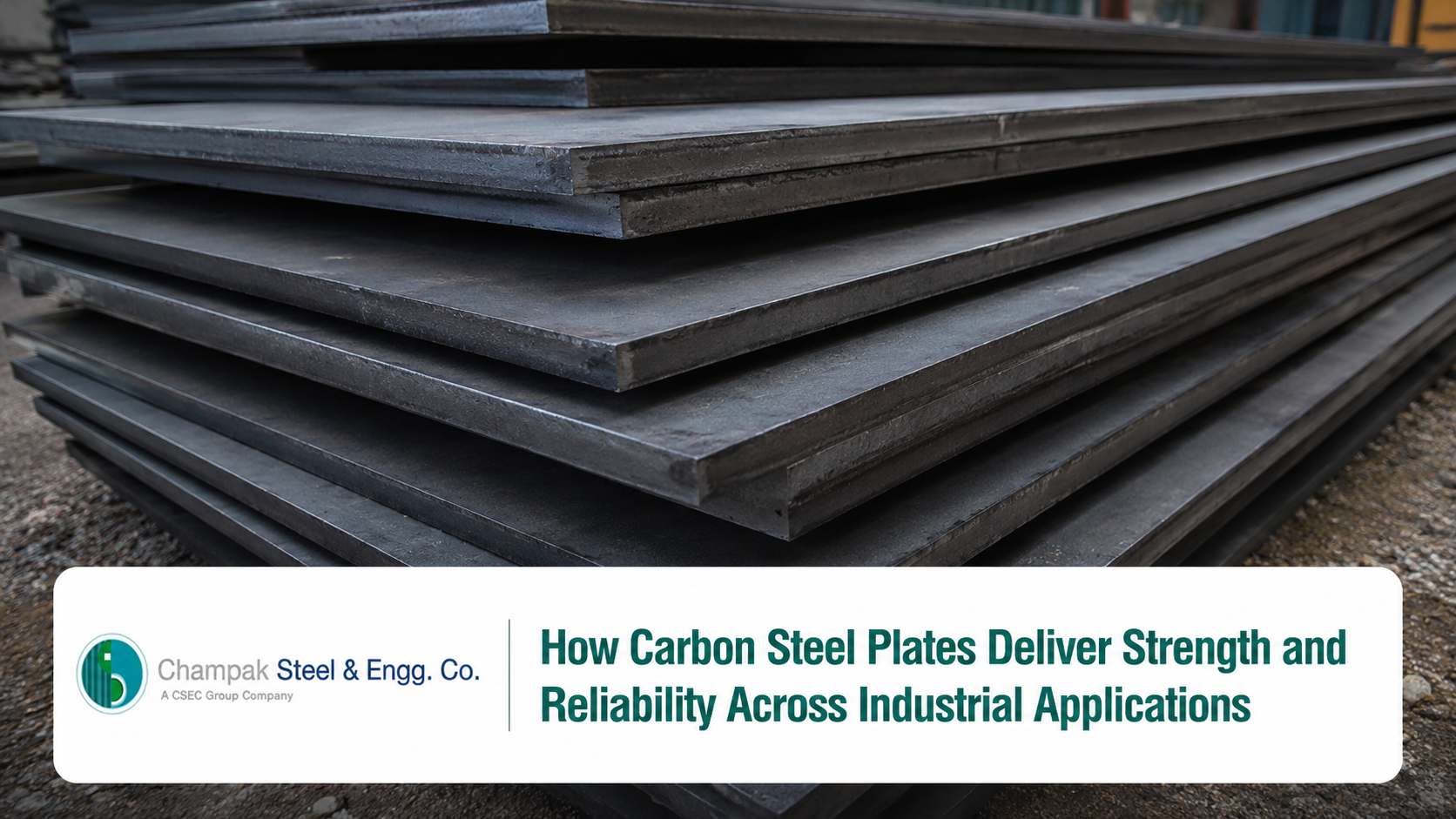
How Carbon Steel Plates Deliver Strength and Reliability Across Industrial Applications

Carbon Steel Plates

Introduction Carbon steel plates are used almost everywhere in industry, from bridges to storage tanks to machine frames. Anyone selecting material for a structural job usually weighs three things: strength, how long it lasts, and cost. That’s where carbon steel plates tend to win out. Demand has been rising steadily across infrastructure, manufacturing, energy, and … Read more

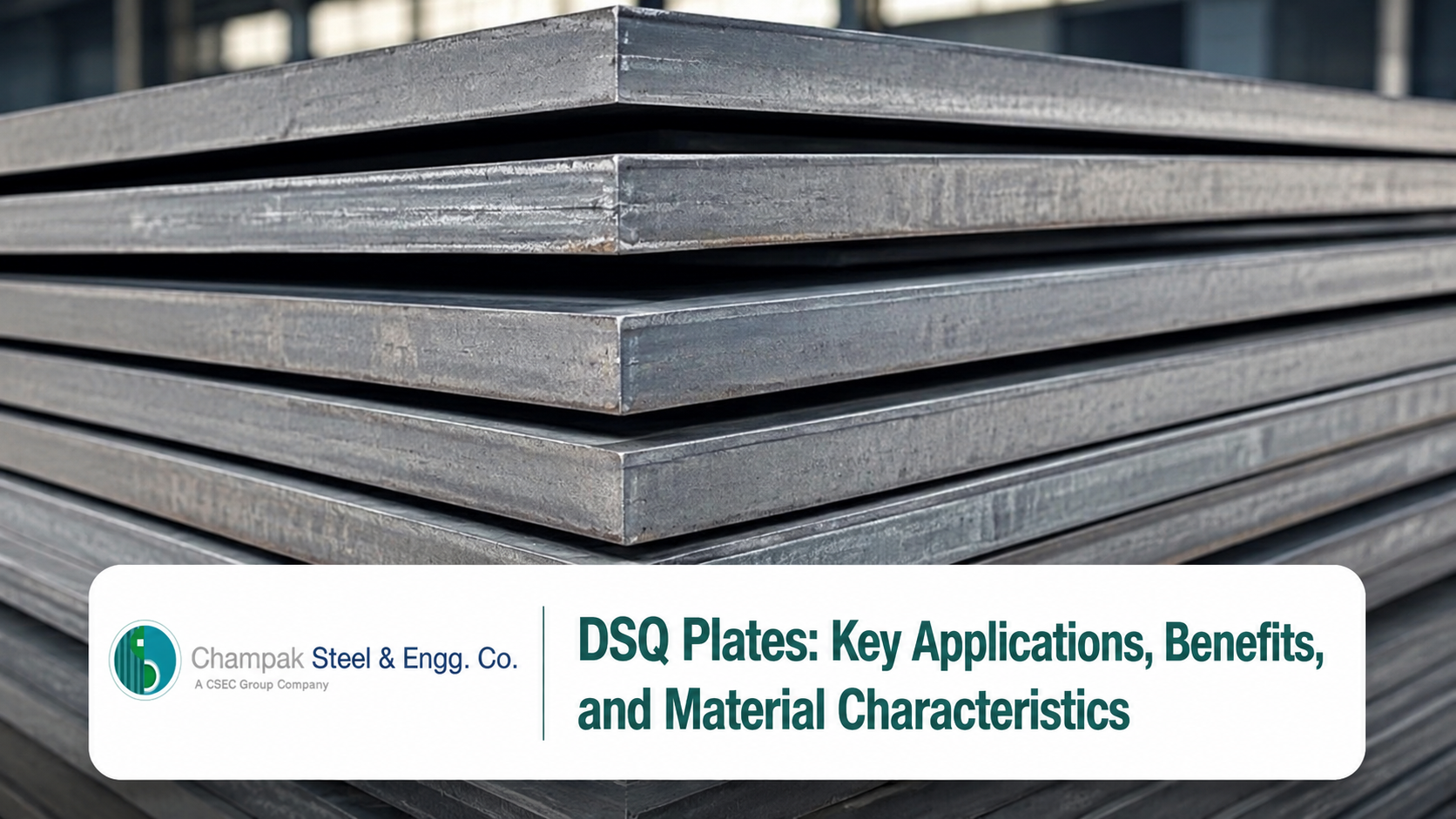
DSQ Plates: Key Applications, Benefits, and Material Characteristics

DSQ Plates

Introduction Fabrication and manufacturing units use steel plates for many parts. DSQ Plates are made for one job: deep drawing without cracking or thinning at the edges. DSQ stands for Drawing Special Quality. Fabricators working on automotive parts and appliances have been asking for these more often, mostly because standard Drawing Quality Steel Plates don’t … Read more

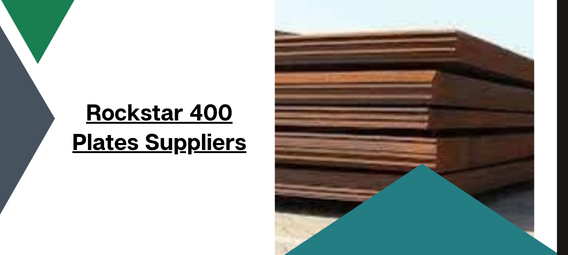
Rockstar 400 Plates vs AR 400 – Performance and Wear Resistance Comparison

Thick steel plates are stacked in an outdoor industrial yard for fabrication and construction.

In heavy-duty industries, steel faces harsh environments. Mining, construction, and material handling involve constant friction and impact. Standard mild steel can’t handle these harsh environments. Without special protection, equipment breaks down, and the cost of maintenance goes up. This is where abrasion-resistant steel becomes important. Rockstar 400 and generic AR 400 are two well-known options … Read more

AR 450 Abrasion Resistant Plates for Mining, Construction, and Material Handling

Stacks of heavy steel plates are stored indoors for industrial fabrication use.

Abrasion-Resistant Steel Plates Heavy-duty sites like mines and construction yards face brutal wear from rocks, dirt, and constant motion. Equipment breaks down fast without strong protection. AR 450 abrasion-resistant plates step in here. These plates have a hardness of around 450 Brinell, allowing them to withstand scratches, gouges, and impacts that would break through milder … Read more

Difference Between SA 387 Grade 11 and Grade 12 Plates Explained

Large flat metal plates stacked in a manufacturing facility for industrial use

SA 387 Alloy Steel Plates Pressure vessel steel plates must handle intense conditions that would cause standard carbon steel to fail. SA 387 is a standard that covers chromium-molybdenum alloy steel plates intended primarily for welded boilers and pressure vessels designed for elevated temperature service. Chromium provides the necessary resistance to oxidation and corrosion. Molybdenum … Read more

What Are Tiscral Plates?

Tiscral Plates

Choosing the right steel plate can shape how well a project stands up to real-world use. Tiscral Plates are gaining ground in construction, mining, and manufacturing—so what sets them apart? Here’s a clear, practical guide for anyone researching these plates for serious projects. What Is a Tiscral Plate? A Tiscral Plate is a special type … Read more