
Introduction
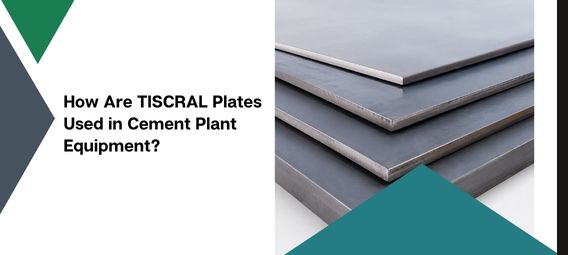
TISCRAL plates protect heavy cement plant equipment from intense sliding abrasion, severe material impact, and continuous friction. That kind of punishment wears down standard structural steel fast, which is exactly why TISCRAL Plates exist as wear-resistant steel plates built to protect critical equipment and extend service life well beyond what conventional steel could manage. This article looks at how TISCRAL Plates are used practically across cement plant equipment and where they make the most difference.
Why Cement Plant Equipment Requires Wear-Resistant Plates
Abrasive wear is a daily reality in cement manufacturing, driven by limestone, clinker, coal, and other bulk materials grinding against equipment surfaces hour after hour. Impact wear adds to that burden during material loading, transfer, and crushing, where sudden forceful contact accelerates surface damage. Sliding wear inside chutes, hoppers, and conveying systems compounds the problem further, as material continuously drags across the same exposed surfaces.
Material build-up and repeated contact accelerate component degradation beyond what any single wear mechanism would cause on its own. The downtime and maintenance costs tied to frequent replacement of worn components add up quickly across a plant running continuous production. We’ve seen how these combined conditions make wear-resistant plate solutions a practical necessity rather than an upgrade; conventional structural steel simply isn’t built to survive this kind of sustained abrasive punishment.
How TISCRAL Plates Protect Cement Plant Equipment
Wear-resistant TISCRAL plates are engineered with a hardened surface structure specifically designed to resist abrasion, impact, and sliding wear. They take the abrasive contact that would otherwise degrade unprotected equipment surfaces, helping shield the underlying structural components from premature wear and extending the service interval where the plate is correctly selected for the application. By taking on that wear directly, they help shield the underlying structural components from damage that would otherwise shorten equipment life significantly.
Key Cement Plant Equipment Where TISCRAL Plates Are Used
Crushers and Crusher Components
Limestone, clinker, and other raw materials cause severe impact and abrasion in the interior of crushing equipment. Wear-resistant plates can be utilised in suitable crusher liners, chutes, hoppers, or fabricated protective pieces to reduce wear on the most exposed surfaces depending on equipment design.
Material Transfer Chutes
As the material goes through the process, it continually impacts and slides against chute surfaces. TISCRAL Plates can be utilised as replaceable wear liners in high-wear areas, where impact and sliding zones may require different considerations based on how material flows through a given chute.
Hoppers and Bins
Stored and discharged bulk materials can wear down hopper walls and outlet areas over time, particularly where material flow concentrates at specific points. Wear plates can be applied in areas exposed to continuous material flow, where protection matters most.
Conveyor Systems
Transfer points, loading zones, and other areas where abrasive material contacts conveyor-related structures see concentrated wear. Liners can help protect structural components from direct abrasion at these high-contact points.
Clinker Handling Equipment
Clinker handling combines abrasive wear with potentially high operating temperatures, which makes plate selection more involved than a straightforward wear application. Both wear conditions and equipment operating temperature need consideration when specifying protection for this equipment.
Raw Material and Coal Handling Equipment
Raw material transfer and coal handling involve abrasive particle movement and repeated impact across chutes and liners throughout the handling process. These applications connect directly to the same wear mechanisms seen elsewhere in the plant, just applied to different material streams.
It’s worth noting that not every cement-plant component is a guaranteed fit for TISCRAL application; actual use depends on equipment design and manufacturer recommendations specific to each installation.
Benefits of Using TISCRAL Plates in Cement Plants
Upgrading to TISCRAL plates is the best way to protect your most expensive equipment against structural collapse so your complete plant can run without the risk of sudden asset failure.
- Combating Premature Wear: High resistance to abrasive clinker and raw limestone prevents premature degradation of expensive equipment structures.
- Reducing Maintenance Downtime: Extending the life of the liner between change-outs, reducing the requirement for emergency repairs in high wear areas
- Reduce Material Costs: Customise the exact thickness of the plate to your own wear patterns to reduce your overall metal usage in your plant.
- Maximise Plant Availability: Prevent predicted wear failures to dramatically enhance equipment uptime, and keep cement manufacturing lines running around the clock.
Conclusion
Wear-resistant TISCRAL plates offer a practical way to address the abrasive, high-impact conditions that define cement plant operations, from crushers and chutes to hoppers, conveyors, and clinker handling equipment. We’ve found that matching the right plate specification to each application’s actual wear conditions makes the real difference in equipment longevity. CSEC Plates supplies TISCRAL Plates suited to these demanding cement plant environments, helping operators protect critical equipment and extend service life where it matters most.