
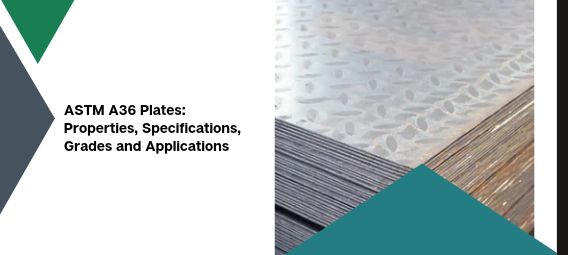
ASTM A36 plates are carbon structural steel plates supplied under ASTM A36/A36M and used in buildings, bridges, industrial structures, and general engineering work. Their strength, weldability, machinability, and adaptability to different fabrication methods explain why workshops and fabricators stock them for projects of every size and complexity. The sections below cover properties, specifications, grade comparisons, applications, and the checks a buyer should complete before placing an order with a supplier.
What Is an ASTM A36 Steel Plate?
An ASTM A36 steel plate is a carbon structural steel product specified under ASTM A36/A36M. Builders use it in buildings, bridges, industrial structures, and fabricated components. The standard sets requirements for chemical composition and mechanical properties, which give every plate a defined baseline. While specific ordering sizes are set by project purchase orders, standard dimensional tolerances and thickness limits are governed by ASTM A6/A36M. Buyers should confirm each of them against the purchase specification before ordering, because the standard alone does not fix the size, thickness, or documentation of a given order. Early confirmation prevents mismatches between the delivered plate and the design.
Key Properties of A36 Steel Plates
Seven characteristics explain why fabricators select A36 steel plates for structural and general engineering work in workshops and on construction sites.
- A36 plates weld well when fabricators follow suitable procedures.
- Their strength suits frames, supports, and base plates.
- Cutting, drilling, and machining go smoothly in the workshop.
- Minimum elongation (20% in 8 in.) ensures ductility during cold forming and structural loading.
- Plates arrive in different thicknesses, widths, and lengths.
- A36 combines good weldability, formability, and machinability into a versatile structural material.
- Mechanical properties need verification against the applicable standard and the material test certificate.
ASTM A36 Plates: Specifications and Material Characteristics
The table below summarises the main specification points for ASTM A36 carbon steel plates. Refer to this and confirm the final requirements against the standard and order.
| Parameter | Details |
| Standard | ASTM A36/A36M |
| Material type | Carbon structural steel |
| Product forms | Shapes, plates, and bars covered by the standard |
| Chemical composition | Carbon, manganese, phosphorus, sulfur, and silicon are controlled within limits specified by ASTM A36/A36M |
| Mechanical properties | ASTM A36 specifies a minimum yield strength of 36 ksi (250 MPa) and a tensile strength range of 58–80 ksi (400–550 MPa), while elongation limits vary based on specimen size and thickness |
| Buyer verification | Verify the standard revision edition, product form (plate), thickness requirements, and supplementary testing. |
Grades and Comparisons
ASTM A36 is a single carbon structural steel grade, not a family of unrelated grades. Fabricators commonly select it for general structural fabrication. ASTM A572 Grade 50 plates suit designs that call for higher specified strength. ASTM A283 Grade C plates serve certain applications that need lower or intermediate strength carbon steel plates.
These materials are not automatically interchangeable. Design requirements, applicable codes, thickness, and certification decide the correct choice, so any substitution needs engineering approval before purchase is confirmed.
Applications of ASTM A36 Carbon Steel Plates
Suitability depends on structural design, loading conditions, environmental exposure, and applicable engineering requirements, so each use below needs project-level review.
Building and Structural Fabrication
Fabricators cut ASTM A36 plate into base plates, gusset plates, and connection components for steel-framed buildings and other structures.
Bridges and Infrastructure
Bridge builders use A36 plate for connection details and supporting components, while exposed members may need Corten steel plates under the project specification.
Industrial Platforms and Support Structures
Plant engineers specify A36 plate for platforms, walkway supports, brackets, and equipment support structures where welded construction suits the design well.
Machinery Bases and Equipment Frames
Machine builders weld and machine A36 plate into base plates, skids, and equipment frames that carry static loads from installed equipment.
General Engineering Components
Workshops produce brackets, flanges, templates, and plates from A36 stock, using standard cutting, drilling, and machining operations for general engineering jobs.
Storage and Material Handling Equipment
Racks, hoppers, supports, and conveyor frames come from A36 plate, while wear-prone surfaces may need abrasion resistant steel plates instead.
Welded Assemblies and Fabricated Steel Structures
Welded assemblies such as fabricated frames, platforms, and structural sub-assemblies rely on the weldability of A36 when fabricators follow suitable procedures.
How to Choose the Right ASTM A36 Steel Plate
Before placing an order for ASTM A36 plates with a material supplier, review the following checklist. Before ordering A36 steel plates, work through the checklist below and match each point against the drawing and project specification.
- Plate thickness, width, and length
- Required mechanical properties
- Cutting, bending, and welding needs
- Surface condition and finish
- Applicable ASTM standard and project specifications
- Material Test Certificate (MTC)
- Inspection, testing, and traceability
- Supplier quality and delivery requirements
Conclusion
ASTM A36 plates combine good weldability, useful strength, and easy fabrication under a defined carbon steel standard, which suits buildings, bridges, platforms, and equipment frames. Buyers who verify the material grade, dimensions, applicable standard, and certification before purchase give their project the best chance of receiving a plate that meets its requirements.